Anime NYC 2024, Saturday

Friday was a relaxed, fluffy bunny day. I had three panels, all far apart, all fan-run and calm. Today I had five industry panels, running from 12 to 8pm, with only a break from 4-5:30 for a meal. I am wiped.
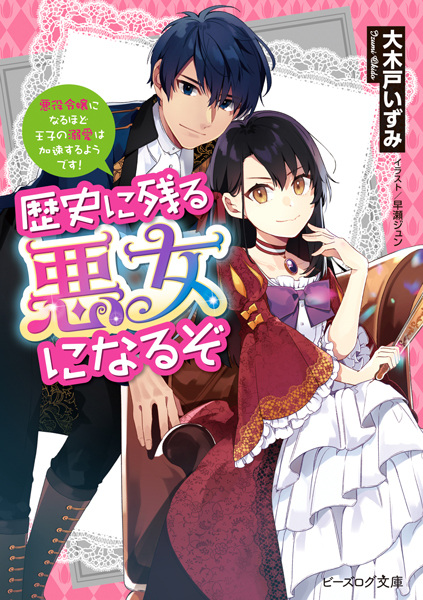
Helping me be wiped is Yen Press, who actually started their Saturday on Friday by announcing a bunch of titles on Twitter and not telling me. I’ll Become a Villainess Who Will Go Down in History! (Rekishi ni Nokoru Akujo ni Naru zo) is a Yen On title that’s one of those “I’m trying to be evil, why is everyone saying I’m so sweet?” books. Victoria of Many Faces (Tefuda ga Oume no Victoria) is a manga from Flos Comic about an ex-spy who is having difficulty staying an ex-spy. Liar, Liar is the manga version of the light novel that Yen already releases, and it runs in my nemesis, Monthly Comic Alive. Whoever Steals This Book (Kono Hon wo Nusumu Mono wa) is the light novel version of a manga that Yen already releases about a girl who has to travel through stories to catch a book thief.

Is It Wrong to Try To Pick Up Girls in a Dungeon? Minor Myths and Legends is a short story volume with stories spanning the entire series to date. Sword Art Online: Ordinal Scale is the latest SAO manga adaptation, based on the movie. It ran in Comic Walker. Sacrificial Princess and the King of Beasts Heir: White Rabbit and Prince of Beasts is another sequel, as you may have guessed. It features Sariphi and Leonhart’s son Richard, and also ran in Hana to Yume.

Then we got the stuff actually announced at the panel itself, which featured their marketing director and three of the editors. They pointed out a new manga store at the Turnstile underground at Columbus Circle, talked about Delicious in Dungeon winning an American Manga Award on Thursday for Best Continuing Series, and also gave away copies of Tougen Anki, a Momotaro takeoff from the oni perspective, and Finding Camilla, a “I must disguise myself as a boy” manwha.
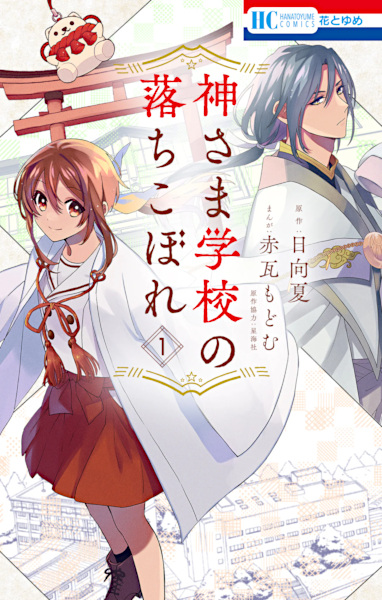
Then it was time for new announcements. Helena and Mr. Big Bad Wolf was originally a Chinese doujin, and was then picked up by Kadokawa Taiwan. A tragically orphaned girl meets her favorite author and they bond. In the Heavenly Prison, the Devil Enchants Me (Tengoku de Akuma ga Boku wo Miwaku Suru) is a series from Dra-Dra-Dra-Sharp#, about a boy who wants to be seen as manly who ends up at a school on an island of succubi. It’s definitely ecchi. The Failure at God School (Kami-sama Gakkou no Ochikobore) is a Hana to Yume manga based on a light novel by the author of The Apothecary Diaries about a girl who gets an invitation to join a school for gods?! But she’s now the bottom of her class! If It’s You, I Might Try Falling in Love (Kimi to Nara Koi wo Shite Mite mo) is a BL series from Manga Park. A high schooler has given up on serious relationships after getting burned in the past, and won’t open his heart again. THEN… he meets this other guy. Nomi x Shiba is also BL, and runs in Shueisha’s Kimikoi. It was described as ‘Sasaki and Miyano, but thirstier’.

We the moved to Yen On licenses. The Only Thing I’m Allowed to Do in a No-Boys-Allowed Gaming World (Danshi Kinsei Game Sekai de Ore ga Yarubeki Yuitsu no Koto) is sort of an anti-yuri series. A yuri fan is truck-kun’d and ends up in a world where only women can do anything and men are second-class. Fortunately, he can change sex. Unfortunately, it doesn’t last forever. Even more unfortunately, all these yuri characgters are now falling for him! YMMV. Miri Lives in the Cat’s Eyes (Miri wa Neko no Hitomi no Naka ni Sundeiru) is a Dengeki title about a boy who can relive the past by looking into someone’s eyes meeting a girl who can see the future through the eyes of a cat. Described as magical realism.

Did You Think My Yuri Was a Sales Pitch? (Watashi no Yuri mo, Eigyou da to Omotta?) is a one-shot yuri light novel about a struggling voice actress depressed over her favorite idol retiring being stunned when the same idol shows up at their agency as a newbie voice actress… and is coming on to her? Recommendations for Bad Children (Warui Ko no Susume) is a revenge fantasy light novel about two students at a terrible abusive school who decide to drop out… and destroy it before they do. Lastly, they have Maboroshi, by Mari Okada herself, a novelization of her film from 2023.
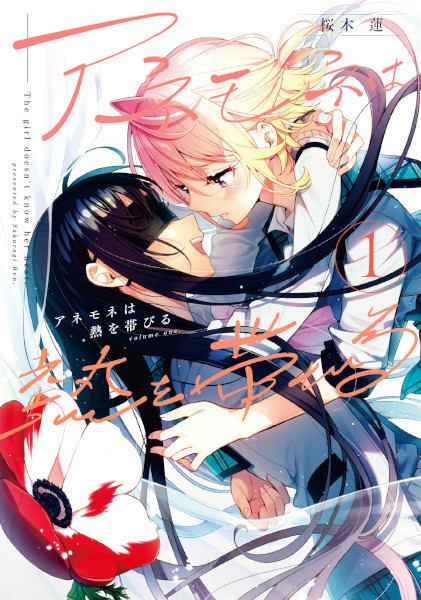
The Anemone Feels the Heat (Anemone wa Netsu o Obiru) is a Manga Time Kirara Forward yuri series. A girl who failed her exam for an elite school because she saved someone finds, at her new school, the same girl she saved! Can she get past this girl accidentally ruining her life? Also from Kirara Forward is meth-e-meth, a one-shot omnibus about a girl learning how to control golems. It’s All Your Fault (Zenbu Kimi no Seida) is a comedic cosplay yuri title that runs in Ultra Jump. The Boy Who Ruled the Monsters (Kaibutsu-tachi wo Suberu Mono) is a seinen title from Isekai Comic, and J-Novel Club already has the light novel it’s based on. It’s a Banished from the Party genre story. Finally, easily the silliest announcement: Super Ball Girls is a Big Comic Superior title from the creators of Blue Lock and Prison School, about a boy who finds naked girls inside super balls one day. Yeah.

Directly after their panel we had … Seven Seas! It’s rare that they appear at conventions at all, and this is not only their first Anime NYC but their 20th anniversary! Appearing were publisher Lianne Sentar, Marketing Director Lauren Hill, and Managing Editor Alyssa Scavetta. They started by defining all their various imprints – Ghost Ship, Steamship, etc. – as well as which titles get the marker of Boys’ Love or Girls’ Love. They then did a recap of some of their other more recent announcements, before turning to new titles.

I Got Married to the Girl I Hate Most in Class (Class no Daikirai na Joshi to Kekkon suru Koto ni Natta) is about a boy and a girl who are bitter rivals in school… and are now forced into marriage? Can they learn to love each other? This is based on an unlicensed light novel, and runs in Shonen Ace Plus. They’re also doing an omnibus rescue of the old series Pet Shop of Horrors, with a new translation and in bigger volumes, so it will be 7 rather than 10. This josei horror series was put out by Tokyopop back in the day. And speaking of old series, Ichi the Killer (Koroshiya 1) is a seinen title from Young Sunday about a supposed wimp who turns into a killing machine when he cries. It was made into a live action movie and an OVA.

The new Ghost Ship license was Betrayed by the Hero, I formed a MILF Party with His Mom (Yuusha ni Zenbu Ubawareta Ore wa Yuusha no Hahaoya to Party wo Kumimashita!), which I had actually heard of before its license, as it has, well a reputation. It runs in Isekai Comic, and the title is the plot. For the Steamship line, a long-running series called Loving Moon Dog (Koi Suru Moon Dog) about a dog groomer who meets a young man who can turn into a dog? This runs in Hana to Yume Ai, can can get steamy but “not in a furry way”. And, in possibly the biggest surprise of the night, we get a Chinese non-danmei novel. Love Between Fairy and Devil (Cāng Lán Jué) is a fantasy drama with a Netflx series, and honestly sounds like a typical danmei series only one of the leads is a woman.

There’s a new webtoon series, What It Means to Be You, coming out, where a husband and wife who are miserable together swap bodies, and now must try to understand each other more. It’s tearjerking, apparently. For new BL we get I Didn’t Mean to Fall in Love -double-, a sequel series. Bowing to Love: The Noble and the Gladiator is a BL novel by the author of S, and apparently has ancient Roman BL. EAT, from Nagabe, author of The Girl from the Other Side, is a … vore fetish BL. Okay. It ran in Be x Boy Gold. No new yuri series per se, but they are finishing two series that sort of got left by the wayside after being licensed a while back. Tough Love at the office and SHWD will both get omnibuses that will complete the series. Lastly, we get a danmei title, Joyful Reunion, a serious story about politics and power.

Right after that was Kodansha Manga, another powerhouse, though they did not have quite as much to announce as usual (the moving of the con to August, right after other major cons, means this is a common thread. See below as well). Ben Applegate and Tomo Tran were the panelists, and they were quick to promote the AMA awards that Witch Hat Atelier picked up on Thursday for translation and lettering! The digital license for September is Manchuria Opium Squad (Manshuu Ahen Squad), a young magazine title about a man who is down on his luck and decides to make opium. “Very Breaking Bad.”
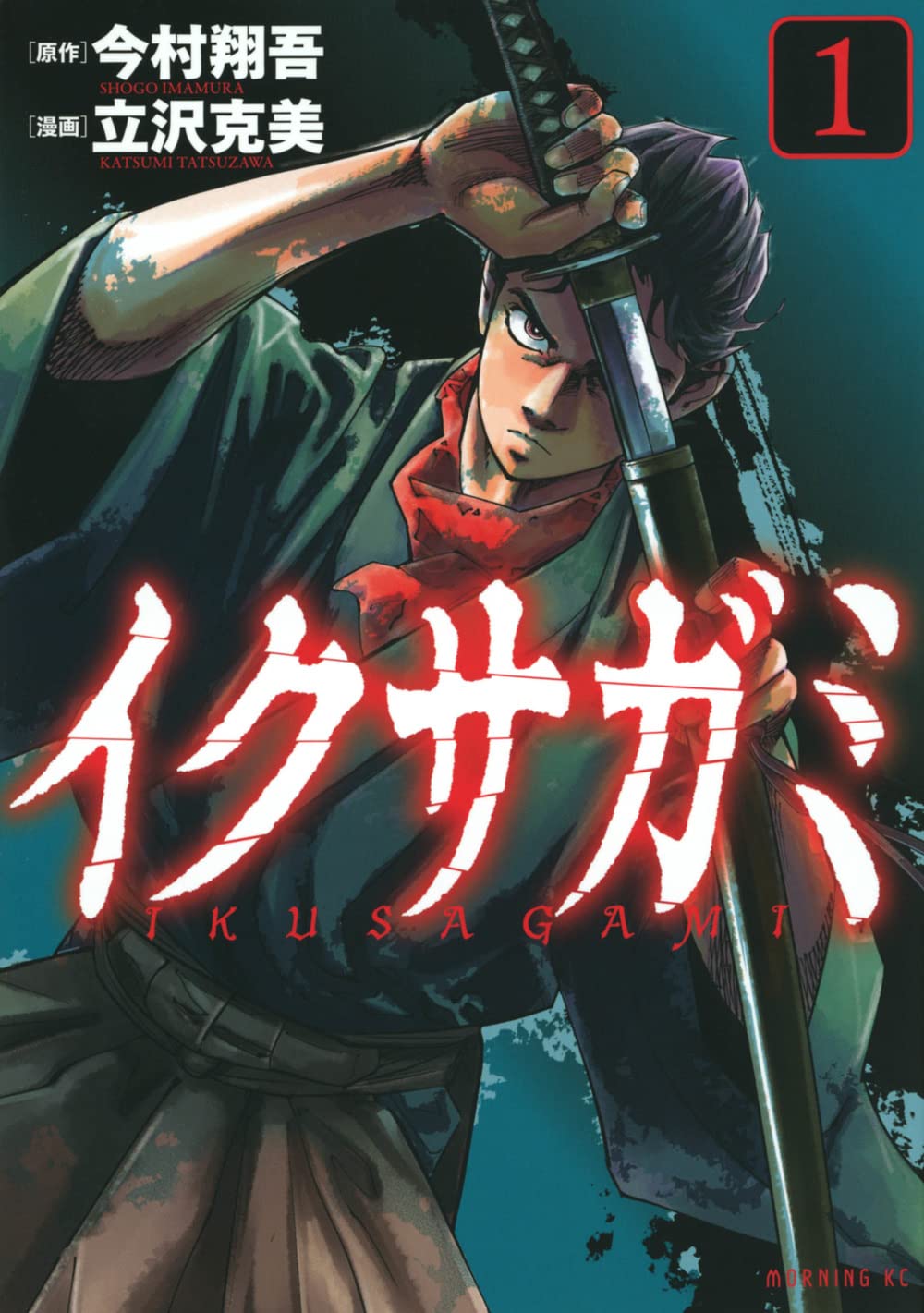
They then revealed the design for the Twilight Out of Focus box set, which looks very pretty, and showed off Takehiko Inoue’s new cover art for an updated version of the famous novel bestseller Musashi. They did have a few new print titles for summer 2025. Last Samurai Standing (Ikusagami) is a Weekly Morning title about samurai at the end of the shogunate (in other words, out of work samurai) who end up competing in a death game. Two BL titles from the same author. You’re All Mine Tonight (Konya Kimi to Nemuritai) about a salaryman who can’t get a one-night stand with a male sex worker out of his head, and Light of My Life, about two high school friends who found their dreams shattered and now try to reconnect as adults. Both titles ran in Gateau.

Lastly, there’s another deluxe Attack on Titan volume coming with art, an interview with the author, various special things, and a new chapter that focuses on Levi after the events of the series. I had assumed that we were in a post-Attack on Titan world, so I was very amused that Kodansha proved me wrong. Lastly, there’s a new… something coming to Soho in October, called Kodansha House. I assume it’s a manga shop.

I then had a break to eat and vaguely relax, before the last two panels of the night. SuBLime went through all of their most recent titles as well as some of their upcoming works, such as The Metalhead Next Door (sweet BL) and Worst Soulmate Ever (a “fuckfest”), both of which are out in December. They also talked about licensed they announced earlier in the month on 801 day (yaoi), the funniest of which turned out to be A Man Who Defies the World of BL (Zettai BL ni Naru Sekai VS Zettai BL ni Naritakunai Otoko), a josei series that isn’t BL, mostly as the guy (who realizes he’s in a BL world) does his level best to avoid being in a gay relationship. It runs in Manga Jam. Unfortunately, they did not have new to the convention announcements.

The final panel of the day was Denpa and KUMA. They too showed off all their recent titles, and mentioned some of the upcoming ones. They Were 11 is coming, they just need to get Moto Hagio to sign off on the cover. By the end of 2024. Ed also talked about how grateful he is that March Comes in Like a Lion is selling so well for them, and I was too – it’s nice to see a small publisher take a big risk on a series and have it pay off. They had a panel at AX, so announced those series, including the oddball Little Nuns, which has ducks, dogs, and cute nuns. Unfortunately, they too did not have new to the convention announcements.

In news that happened while I was at other panels, Dark Horse announced the first new volume of Berserk since the author’s death (it’s being taken over by another artist), and the publisher PEOW2 announced the legendary manga Stop! Hibari-kun!, a Weekly Shonen Jump series from the early 80s about a boy who meets a yakuza family’s four beautiful daughters… one of whom is really a boy who crossdresses. This may actually be the biggest title of the day, to be honest.

And now I am exhausted. Fortunately, tomorrow will have fewer things.

The Royal Hostage Has Vanished: The Black Wolf Knight Yearns for the Persecuted Princess, Vol. 1

By Ajigozen and Yura Chujo. Released in Japan as “Hitojichi Hime ga, Shōsoku wo Tatta. Kuro Ōkami no Kishi wa Rinkoku no Shiitagerareta Hime wo Zenryoku de Aishimasu” by DRE Novels. Released in North America by J-Novel Heart. Translated by Emily Hemphill.

This is another in the Heart imprint that is primarily narrated by the male love interest, though the princess does get several POV scenes throughout. It’s important in this story because it helps drive the narrative more if we’re following the Knight gradually realizing what has happened to the princess and the circumstances she’s had to live with before we move to her side and get her own thoughts on this. It also helps sell the love a bit better, which is good, as this is a series that very, very much runs on “love at first sight”, and if that’s not a favorite of yours you should be very aware. But it’s fine, they’re both good kids, and frankly it’s a lot less terrifying than the power couple that may have happened if the royal hostage had not vanished. Sonia and Alphonse are, at their core, far too similar to work in a series like this.

Brigandia and Sylvario were at war, and Brigandia has won. Now it’s time for reparation, but Sylvario suggests that in return for less of those, they offer their fourth princess in marriage to Brigandia’s third prince. Which is fine… but the princess leaves Sylvario and never turns up in her new country. Ark, the head of the knights, goes to figure out how in God’s name a princess’ carriage with full guards and accoutrements could have been waylaid by bandits or other such reasons for “vanishing”. Unfortunately, he rapidly finds that no one in the towns along the way even noticed a royal carriage. And when he gets to the royal residence, he finds to his horror that Princess Sonia was an unwanted child who was abused by everyone around her. The reason she vanished… is she left in an unmarked carriage with two servants and zero guards.

This book assumes that you are familiar with and enjoy the tropes associated with this sort of series, and therefore does not need to go into great detail about them. Sonia’s only loyal servants, Laura and Tom, are both clearly far more than they seem and trained as spies/fighters/etc., but that never comes up in the actual narrative because “battle maid/butler” is just what you’d expect from the only loyal servants of an abused princess. I also appreciated Sonia’s intellect and craftiness, with possibly the best scene in the book having her take on a rival love interest in what amounts to a rapid-fire quiz game. She’s a sweet girl, and the dorky love that she and Ark fall into is cute, assuming you like dorks who blush a lot, but I also appreciate that she’s not the usual “nice and forgiving” trope we tend to see, and that she really does want to see her abusive family destroyed, and will happily do what it takes to help that along.

This will not set any originality records, but it hit all the right buttons for me. I greatly look forward to the second book (which is apparently the final book).

Anime NYC 2024, Friday

I am back at Anime NYC in person! And you know what that means… I have horrible muscle pain and can barely move. But I have so much to talk about for you, my readers. This was a day where I pretty much did entirely fan-oriented panels, saving the bulk of the industry stuff for tomorrow, as Anime NYC stacked most of those in a row. So the first panel I went to was Love and Friendship through Sailor Moon.

Moderated by Erica and featuring Moonie, Erica (yes, two Ericas), Kristen, and Rebecca. It was a fun pamel which really showed off how much they all love Sailor Moon and how much it has impacted their lives. (The other varieties of Sailor Moon came up, and everyone is looking forward to Cosmos, but for the most part it limited itself to the 1990s anime. The words “Crystal” were not uttered.) The second Erica and Kristen are also sisters, and frequently cosplay together.

They discussed favorite characters – as you can imagine, Usagi was first, showing off her good and bad points and feeling very human. For Rei it was her fierceness and ability to “tell it like it is”, but also the isolation that she feels as a shrine maiden. Ami was also one where identifying with her came up, as a “quiet overachiever”. And of course Haruka, the cool one. (Everyone loves the cool girl.) One of the panelists mentioned Hotaru as well, because they, like Hotaru, were sick a lot as a young person.

They talked about what Sailor Moon taught them, including how love can take many forms – romantic, deep friendships, familial, etc. The “cousins” thing was brought up, and it was noted that Japanese fans were horrified when they heard about the change. Perseverance and pushing through a problem even when you’re failing badly comes up all the time in the series. Also, not everyone immediately bonds as friends, and sometimes it can take time to really get to know a person and become friends with them. The power of bonds, how so many of the characters were lonely before they met Usagi, and how they are stronger together. It was a really heartwarming discussion.

Then they discussed how their lives were impacted by Sailor Moon, and all of them admitted it has completely changed their lives. They are all involved in cosplaying and craft-related stuff via the series. The two sisters said that even though they fought as kids, they ended up bonding over watching Sailor Moon. Meeting friends in the fanbase years and years ago who you are still friends with today thanks to Sailor Moon. (I can attest to this, as I am the same.) And of course the LGBT fanbase and its love for the series resonates with the panelists as well. The word “Passion!” was used a lot in this panel, and I think it really described all of the panelists – the love for the series and its fans came through loud and clear.

The second panel I went to was about The Rise of Queer Manga. Moderated by Erica Friedman (yes, this is the 3rd Erica of the con), the panel also had Also on the panel are TJ Ferentini, an editor for Kodansha; Jacqueline Fung, a translator for Kodansha, Seven Seas, and KUMA; and Nicole Roderick, who is a letterer with most of the major publishers. They started by discussing the sort of queer manga that we had since the late 80s/early 90s. Zetsuai/Bronze 1989 for BL, and Sailor Moon for yuri. The cliches that both of those series had in terms of how they defined how publishers would use queer narratives, and how little it changed for a long time after that. What changed? We demanded better representation, and eventually our voices were heard. Publishers were reluctant, they wanted to make sure there was a readership.

The panelists then discussed what their first queer manga was. Gravitation came up twice (and probably should not have been read at the age they read it!). TJ also talked about how much Revolutionary Girl Utena resonated with them, and how the realization hit that they CAN want to be a prince. Nicole wasn’t as fond of all the forced drama in a lot of the BL series of the time, and she enjoyed series with a more real, adult situation such as “I can’t get a job due to my sexual orientation”, which also resonated for her as she is black. Jacqueline talked about the BL series Only the Ring Finger Knows, which hit her with its discussion of having to hide when you’re in love. Erica said hers was Sailor Moon, and particularly Haruka and Michiru, which ended up taking up all her time and money for a long time to come.

The panelists had all chosen queer manga they wanted to discuss. TJ started with Boys Run the Riot, a monumental trans series from a few years ago, made even more important by the fact that the entire localization team was trans. A transgender boy finds happiness in the world of street fashion. The author, Keito Gaku, was at a convention in Columbus and was blown away by the fan reaction they received. Is Love the Answer? is a one-volume title that examines a college-aged woman who wonders why she doesn’t really get love the way all her friends do, and learns about asexuality. The author used their own experiences to write this series. Two other series, Sasaki & Miyano and Whisper Me a Love Song, both show off the normalization of BL and yuri in their respective worlds. There isn’t the big “wait,you mean you like boys/girls???” that you get in other series, instead you get the same reactions that you’d get in straight romance titles.

Jacqueline has a fondness for trauma manga, and started off with A Home Far Away, a tragedy about a religious gay boy in Texas who decides to leave home and go, well, to a home far away. The author has won awards for other titles. Our Dreams at Dusk is a huge title, being absolutely filled with queer representation of all types, and featuring a cast of various ages, including older queer characters, a rarity in a genre that tends to focus on high school students. Lastly there was a brand new title just out, Hate Me But Let Me Stay, which is an omegaverse title, but we are assured it’s a really GOOD omegaverse title, with an omega single mother and a young alpha who has to learn how to be a dad.

Nicole really loved Until I Met My Husband, a historical memoir from an activist and gay man who was in the first same-sex marriage (religious, not political) in Japan. This also has a manga version. Delinquent Daddy and Tender Teacher pretty much tells you its premise in the title, it’s a sweet title about reconnecting with past loves. The kid is smarter than everyone else in the series. Twilight Out of Focus blends its BL with a film club, and the activities of the club and their love of film is equally important. It has an ongoing anime right now. It also has multiple couples, so allows for (ironically) multiple focuses). This series also lacks one of the cliches of the genre we’ve seen too often in the past, which is the “I can fix him” trope.

Erica discusses She Loves to Cook & She Loves to Eat, which is also an award nominee and has a live-action series in Japan as well. It’s a great example of two women who had not really considered their sexuality before meeting each other and immediately going “…oh!”. Otherside Picnic is great because it’s not romance focused – it’s sci-fi horror. It’s an incredibly weird story about how everything is NOT normal, and it forces you to think about that. Even Thought We’re Adults is a series Erica called “Ahakaijin Yuri”, which is to say that it’s about grownups. It’s a messy series, and does not have any obvious bad guys – you want to dislike the husband, but he’s sympathetic as well. I’m in Love with the Villainess is an isekai fantasy with piles of queer representation (and revolution), and the spinoff She’s So Cheeky for a Commoner features an original character for the spinoff who is disabled, so that is represented as well. Lastly, The Moon on a Rainy Night has both queer and disability representation, and features two girls who meet, become friends, and help each other to become better people.

They were then asked what title “moved the bar” when it came to queer visibility? A surprising but also obvious answer from Jacqueline was Ranma 1/2. It was a lot of folks first exposure to “someone who can be, and behave, as both a boy AND a girl”. Nicole mentioned Banana Fish, a shoujo title whose BL was not obvious or blatant, but very natural and believable. TJ mentioned Boys Run the Riot again, also talked about My Lesbian Experience with Loneliness, which also opened the door for a number of queer “memoir” manga. And the huge seller My Summer of You, which has two high school boys falling for each other and bonding over movies.

So many series were recommended for the “what unlicensed series do you want to see” that I could not keep up with them all. Highlights included the new subgenre of “cake manga”, where instead of alpha and omega you have “cakes and forks”; Super Seme-Sama to Toki wo Kakeru Ore, a gag manga whose cover alone made me laugh out loud, and will delight those familiar with the BL tropes of very long faces and very big hands; Kawaii Kimi ni, Nedarasetai, a shoujo title about a boy who hates being called girly… unless it’s HIM doing that; Odoriba ni Skirt ga Naru, a yuri series about ballroom dancing and body dysphoria; And Boyish² – Butch x Butch Yuri Anthology, which spotlights titles that avoid the classic yuri trope of “butch/femme” or the popular modern yuri “two femmes”.

The final panel I went to was Gender, Genre and Games in Sports Manga. Liz and Alix were our panelists, and they watched over 400 hours of sports anime to prepare for this. Which s why they apologize if they don’t mention a beloved sports MANGA that they could not get to (and indeed, at the end of the panel, someone mentioned the recent Dogsred, which does not have an anime). They define a sports anime as an anime about sports (duh) where characters bond through teamwork, rivalry and competition.

They started off with a shoujo title, Attack No. 1, which stated in 1969 and ran for 104 episodes. Most of the cliches that we associate with sports anime – the big rival, teeth-clenched teamwork, etc. – stem from this series. There is an earlier show they watched – the shonen baseball series Star of the Giants; however, this one is more tragic, ending when the protagonists injures his arm and is forced to retire. Its plotlines are not something future sports anime followed. Likewise, Ashita no Joe is brutal, also tragic, and its “cross counter” punch is pastiched and imitated across all anime, not just sports.

They divided the typical sports anime into two types: Good at Sport and Bad at Sport. Good at sport features either well-trained athletes who love and are good at what they do, or untrained athletes who nevertheless have an immediate affinity for the sport. A lot of these types feature family drama, as usually there’s a sense of keeping up the family tradition. (Aoi from Birdie Wing is a good example.) They then discussed the Love Interest vs. The Rival, and how the Love Interest, in the typical sports anime, is not nearly as important as The Rival. Rivals to Besties is essentially Enemies to Lovers: Sports Edition. And yes, this is even more true when the rival dies.

The classic “bad at sport” anime is Aim for the Ace!, a 1973 tennis anime (shoujo again) where a girl starts off bad at the sport but is driven to improve herself and eventually does. It was mentioned (more than once) that Haikyu! owes a hell of a lot more to shoujo sports anime tropes than it does typical shonen like, say, Hajime no Ippo (another brutal boxing manga). Aim for the Ace! Also introduces the ojou-sama rival, the sempai everyone adores who inevitably is paired with the heroine in doubles. This is another trope that we’ll see again and again in more modern titles.

Attack on Tomorrow!, from 1977, another shoujo title, is the first example of the “getting the band back together” sports title, where something bad happened in the past (in this case, the death of another player), the club is on the verge of being disbanded, and everyone has to rally around and rediscover their love of the sport. But it’s not all shoujo. Captain Tsubasa may be the most influential sports anime in the entire world, and Tsubasa himself was referred to as the “Goku of soccer” in terms of his abilities.

Yawara! Fashionable Judo Girl is a 1989 series that starts a genre that can best be described as “anime about women in sports, but the intended audience is men”. Bamboo Blade, Saki, Minami-ke, etc. There’s also (theoretically, the creators won’t confirm this for reasons that should be obvious) “anime about men in sports where the audience is women”, such as Free!, Salaryman’s Club, and Fanfare of Adolescence. But what, you may ask, about sports series about girls in sports, for a female audience? Does karuta count? If so, then 2011’s Chihayafuru would slot in there. Before that? You have to go back to 1998, and Princess Nine.

And you can’t really discuss sports anime, especially not at an anime con, without discussing the homoerotic subtext. Naturally, Prince of Tennis was the big example here. Since sports tend to divide by gender, a lot of the rivalries, friendships, and battles tend to be homoerotically charged as a function of the cast. Prince of Tennis is essentially a samurai story with lords, only… it’s tennis-based. The BL subtext is also unintentional. What happens when the subtext IS intentional? Well, you get Saki, whose fanservice verges on the ridiculous. Or Keijo!!, whose fanservice is so ridiculous it’s not that sexy. Or Free!, whose one main female character is there to ogle the hot guys and tell you, the viewer, that it’s OK to do the same.

Yuri on Ice, in 2016, of course, changed everything… or did it? It was canonically queer, and had a kiss. Yet when Sk8 the Infinity, in 2021, did a scene that beat for beat almost matches the iconic one in Yuri On Ice… there’s just a hug, no kiss. Birdie Wing, a series that features golf eugenics and the golf mafia, revolves around Aoi and Eve betting over a kiss… which Eve never has to give Aoi. It’s a bit of a step back. On the other hand, Eve does combine her rainbow shot with Aoi’s rainbow shot to make a golf shot baby. The panelists agreed that Birdie Wing was a lot more explicitly queer than Sk8 the Infinity. But… they don’t kiss.

The panel wrapped up with Q&A, which included sports that haven’t been done yet (Skiing! Women’s fencing!… no, Utena doesn’t count.), whether Food Wars! is a sports anime (yes), whether Beauty Pop, about competitive hairdressing, is a sports manga (yes), and the fact that, amazingly, no one mentioned Hikaru no Go. They also discussed the biggest surprises of their watching all this sports anime, which included the brutality of the boxing anime, especially Ashita no Joe, and the brutality of the shoujo sports anime as well, with Attack No. 1 having abusive coaches and abuse by getting hit with volleyballs. It’s not all sparkles and tears.

Honestly, these were all great fan-run panels today, and I was thrilled with each of them. Which is why I spent so long tying this up. Time to sleep – tomorrow will be a bear.