Saturday is always the busiest day, but this one proved challenging, with panels ranging from noon to 8:45pm on my schedule. It was like running a gauntlet. At the start, I was debating whether to see SuBLime Manga, Dark Horse Manga, or a guest appearance by Yu Saito, the editor-in-chief of Weekly Shonen Jump. I chose the latter, and I’m glad I did, as he was a very outgoing, nice guy who gave some great answers.
For those living under a rock, Weekly Shonen Jump started in 1968, and publishes every Monday. It has 20 manga series every issue, and currently has 1.05 million in circulation, not counting digital. It sells MUCH better than, say, Batman (which Saito loves). But it used to sell 6 million back in the good old days. It also has lots of sister magazines, like Grand Jump, Ultra Jump, V Jump, and Jump Square. Jump is, per its editor-in-Chief, best at finding new talent and putting them in the spotlight – each new series gets a cover.

Saito startled everyone by admitting he started job searching and was hired by Shueisha in 2005, and has been there ever since. This was his first company! He started editing titles such as Gintama and Hunter x Hunter, and also was the first editor on Kuroko’s Basketball and Nisekoi. He was asked if Bakuman was accurate in terms of how it depicts Jump, he admitted that the best series for realistically portraying it is Tokyo These Days – out from Viz!
Again and again, the same thing came up. Jump nurtures new talent, and seeks it out. Which means a lot of failed series, but they are always encouraged to try again. He had a funny story about Gintama’s author, famous for blowing deadlines. One time an entire page was still blank, so as they drove to the printers, Sorachi sat in the back of the taxi and drew the entire page in half an hour. Saito’s editorial job was to make sure the ink did not spill all over the cab.
He was asked about the difference between Jump in 1968 and now. Jump back then had Umezz doing shonen work, as well as things like Barefoot Gen! He insists that Jump is essentially the same, as they want to publish what they find interesting. He was asked about trends, and admits he gets asked that a lot. They’re too busy to make trends! He was also asked how an editor cheers up a depressed author, and he said fan mail is always the best medicine – especially overseas fan mail.

Asked about his vision for the future, he says it’s to make Jump the best environment for both editors and creators to make the best manga they can. Both existing and new creators have an equal shot with every new Jump series. Asked about overseas readers and creators, he said that there are non-Japanese winners in competitions, and while there are still hurdles, he thinks they will have more. It ended up being a terrific panel, and I was very happy I attended.
The next panel I attended was called Oh, Grow Up! Seinen and Josei. This was a panel more along an educator/library track. It featured Billy Tringali, Jamila Rowser, Tony Weaver, Jr., Regine L. Sawyer, Ajani Oloye, and the moderator, Dr. Shamika Mitchell. They all have a lot of experience with this sort of thing, being parts of foundations, academia, manga creators, content directors, and publishers. And they wanted to discuss what seinen and josei means HERE – not in Japan.
This is important, as in Japan it’s fairly easy. Something published in, say, Weekly Morning is seinen, regardless of the genre of the manga itself or the main characters. Whereas the panel here were quite happy to discuss Bleach or Naruto as examples (briefly, a ship war started to burble up so they moved on). The idea is that as the series went on and the characters aged and matured, it got more serious, and had a lot more blood, gore and death. Is it still a shonen manga for kids?
Genres in the West change a lot. Stuff for people in their 20s is now “new adult”, not “young adult”, which was new to me. Manga that comes out here also has content warnings. All Ages, Teen, Teen +, and Mature. A lot of folks admitted they ignored the ratings entirely when searching for a new title. It can also depend on intended sales. Tokyo Ghoul has enough violence to be Mature, but it’s Teen Plus, because they know it sells like hotcakes.
Some titles we consider Shonen as they run in Jump may not be. Spy x Family is rated Teen Plus because of its themes of war and the aftereffects, as well as violence towards children. A series read by 5-year-olds as a manga could not, if it was written by someone here, get bought by Scholastic. What’s more, educators have to be careful what they teach, as sometimes budding young Karens are quite to go to the Dean and say this manga is against their moral standards.

Folks were asked what they wanted to see more of, and a more diverse race/nationality in manga was mentioned. There is a manga called Hanbun Kyodai that is a short story collection about those who are part-Japanese and part-another nationality, such as French Caribbean, or Chinese. Someone used the word “half”, and it came up that in this manga, that word is discussed, as some folks are fine with it whereas some folks really hate hearing it.
They also talked about series that deal with adult concepts that are not sex or violence, such as Life Lessons with Uramichi-Oniisan, put out here by Kodansha. The adult content there is taxes. As for josei, it’s hard to market here, as the publishers don’t see a market for adult women. That applies to manga as well – Skip Beat!, a series about an up-and-coming actress, has reached 50 volumes here, but never gets any publicity.
Q&A had a Barnes and Noble employee ask about what happens when a kid wanders into the manga section there and gets something inappropriate. “Parents need to parent!” was the consensus – everything these days seems to be about finding something else for parents to blame. This was quite an interesting panel that went in directions I had not considered.
I knew Yen Press would be packed to full, so I did something I hadn’t done in some time – I room camped. This meant watching the premiere of a new anime not due out till October, Hero Without a Class. It was a double-episode premiere that, frankly, seemed to have every predictable cliche in the book. That said, at least it wasn’t unpleasant, and I could have sat through much worse. If you enjoy series about guys who work hard to get really overpowered, this is one.

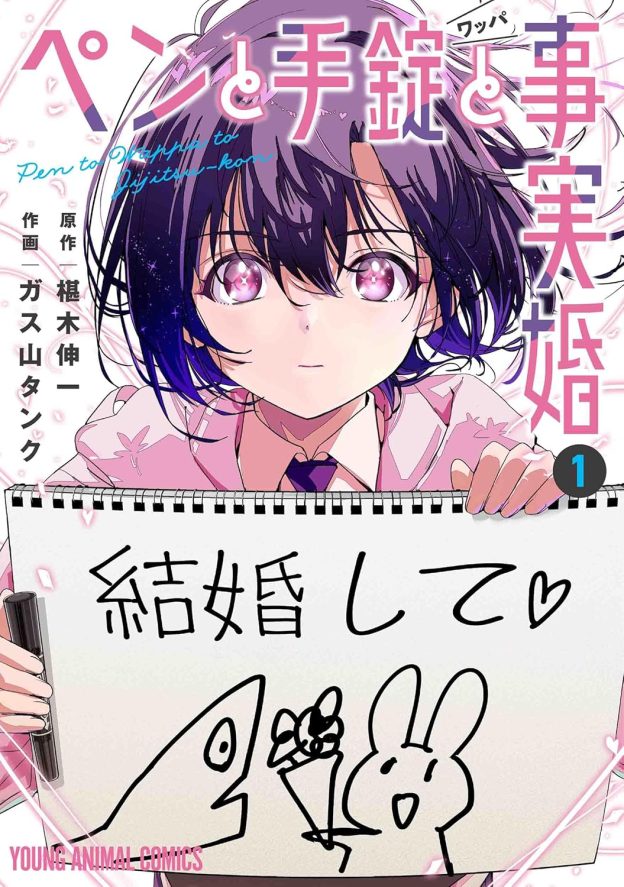
As such, I was there when Yen finally started their panel, 10 minutes late. They were having AV issues, meaning we did NOT see the videos for the new Blade & Bastard and Holy Grail of Eris anime due out soon. Yen knew what we were here for, and went straight to announcements, starting with A Pen, Handcuffs, and a Common-Law Marriage (Pen to Wappa to Jijitsu-Kon), a Young Animal series about a mute girl who witnesses a crime, and when dealing with the detective who’s on the case, falls for him. But he’s oblivious!
Yen had already licensed Sailor Zombie digitally, but it’s now coming out in print omnibuses. Associate Professor Akira Takatsuki EX is a spinoff short story collection from the main series, also licensed by Yen. Bad Girl will be familiar to folks from the anime, but now Yen have the manga, which runs in Manga Time Kirara Carat. Our heroine falls in love with her senpai, who is on the disciplinary committee. The best way to get her attention is to be… a bad girl! Too back she’s horrible at being bad.
Battlefront of the Great Powers (Rekkyou Sensen) is a SF dystopia from Comic Zenon. The nations of the world must fight in a giant tournament. How to Love a Loser (Dame Ningen no Itoshikata) is from Web Comic Apanta, and is a romance between a pathetic loser and his perfect girlfriend. Casebook of Kurumi Takisaki, Magic Detective (Majutsu Tantei Tokisaki Kurumi no Jikenbo) is a short story collection that is a spinoff of Date a Live, featuring one of the supporting characters.
The Bubble Love of the Mermaid (Ningyo no Awakoi) is a new series from the creator of My Happy Marriage. It deals with some of the same themes, also staring a young woman being abused by her family. To the Monster I Love (Bakemono no Kimi ni Tsugu) is a light novel about a spy who is being interrogated by his own workplace about the monsters who he loves, appropriately enough. Lycoris Recoil: Recovery Days is another slice-of-life short story collection.

Legend of the Far East’s Savior (Gyokutō Kyūseishu Densetsu) is a novel series about a world that is about to fall to demons, but fortunately, they have giant mecha. For Gundam fans, apparently. And the big news was Frieren: Beyond Journey’s End ~Prelude~ (Shōsetsu Sōsō no Frieren ~Zensō~), a prequel short story collection to the insanely popular manga and anime series. You’d think Viz would have snatched this up, but it’s going to Yen On instead.
The Denpa panel was fairly unique, mostly as Ed Chavez could not be there this year (he was at the con, just not the panel), so the other three Denpa employees chaired it. They clearly missed Ed, but they soldiered on. I say Denpa, but this was a combination Denpa and KUMA panel, and it became clear very fast that the bulk of the enthusiasm in the room – some ear-splitting – was for the BL. Appropriately enough, they only had two new licenses, and they were both BL.
Fukutsu no Zono (no English title yet that I could see) was expected, as there’s apparently already a preorder page up. Two rivals who are also delinquents have an awakening when it turns out that one… makes erotic noises? This runs in B’s-Lovey Recottia. The other title was Takatora and the Omegas (Takatora-kun to Omega-tachi). This got a HUGE SCREAM from the crowd, it was ear-splitting. The plot concerns an heir and standup citizen, at a classroom made for alphas, discovering (you’ll never guess), he’s actually an omega! This has fans.

The final panel was J-Novel Club, at a very late hour – I apologize to Sam for ducking out right after the announcements, but I wanted to get back and type up the day. They too went straight to the new titles, and there were a lot. Finding My Way to (You) in This MMO World (Game no Sekai ni Tensei Shita Ore wa ○○ ni Naru Made) is a new BL title in the J-Novel Knight line. A young man with memories of this world as a game has to escort a prince who is disguised as his sister. Love ensues.
The Girl with the Green Eyes: Heir to a Monstermancer (Mamono Tsukai no Musume: Midori no Hitomi no Shōjo) was already announced at AX, but not available until after this con. She’s cute! She’s a monstermancer’s heir! She wears a slime as a hat! Fired? But I Maintain All the Software! (E, Shanai System Subete Wanope Shiteiru Watashi o Kaiko desu ka?) is an unusual manga (based on an as-yet-unlicensed light novel) about a woman who gets fired for cosplaying at work, and then hired by a friend to teach coding. This is a genre J-Novel Club have not ventured into before. It runs in Comic Pash!.
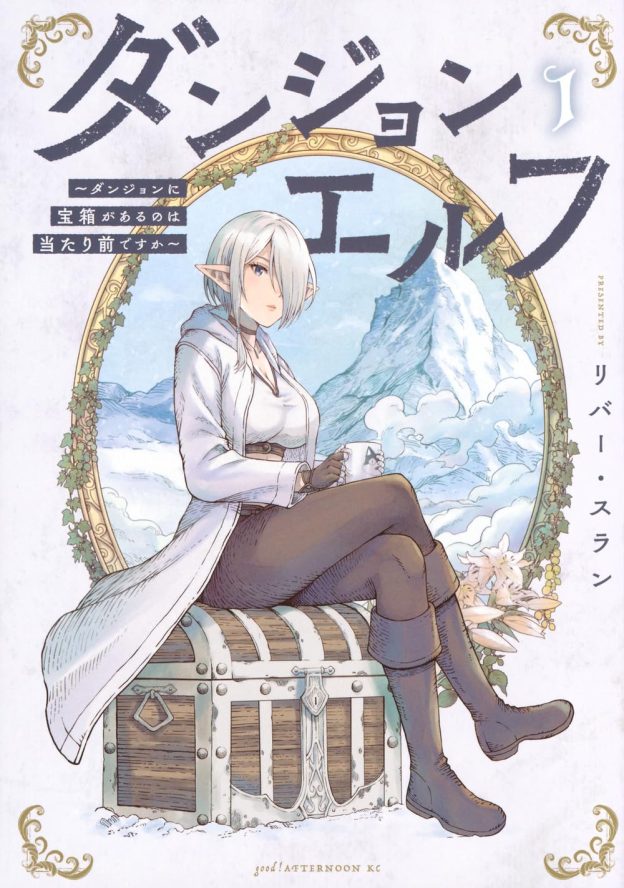
One Last Hurrah! The Grayed Heroes Explore a Vivid Future (Jijibaba Yūsha Party Saigo no Tabi ~Oita Saikyō wa Iroasenu Mama Mirai he Susumu Yō desu~) stars a former hero and saint who are now in their old age. Wanting to journey to see grandchildren, they end up getting the old party back together. Miss Blossom’s Backward Beauty Standards: Give Me the Ugly Crown Prince! (Bishū Abekobe Isekai de Busaiku Ōtaishi to Kekkon Shitai!) stars a reincarnated girl who finds herself in a world where ugly is beautiful and vice versa, but she’s determined to get her guy anyway.

Looks like a Job for a Maid! The Tales of a Dismissed Supermaid (Maid Nara Tōzen Desu. Nureginu o Kiserareta Bannō Maid-san wa Tabi ni Deru Koto ni Shita) is sort of a the mage version of a disgraced noble book. Maid framed for crime, fired, ends up on a journey and shows how awesome she is, others regret firing her. This Alluring Dark Elf Has the Heart of a Middle-Aged Man! (manga) (Watashi no Kokoro wa Ojisan de Aru) is based on the light novel published by Cross Infinite World. An introvert dies and finds he has been reborn… into the body of a powerful female dark elf! But he still can’t talk to people normally. This also runs in Comic Pash!
My Death-Defying Dog: Man’s Best Friend, World’s Best Savior (Uchi no Inu ga Tsuyosugirun Desu ga!? Tensei Shitara Megami-sama no Shukufuku de Sekai o Sukū Koto ni Narimashita) is *also* Comic Pash!. Guy sad when his dog dies can be reunited with him in another world… but the dog is the dog hero who saves the world. The guy is just a guy. Royal Spirits Are a Royal Pain! Give Me a Regular Romance (Tensei Reijo wa Seirei ni Aisarete Saikyō Desu…… Dakedo Futsū ni Koi Shitai!) is another one of those “I want to be normal and yet everything I do makes be weird” type of light novels.
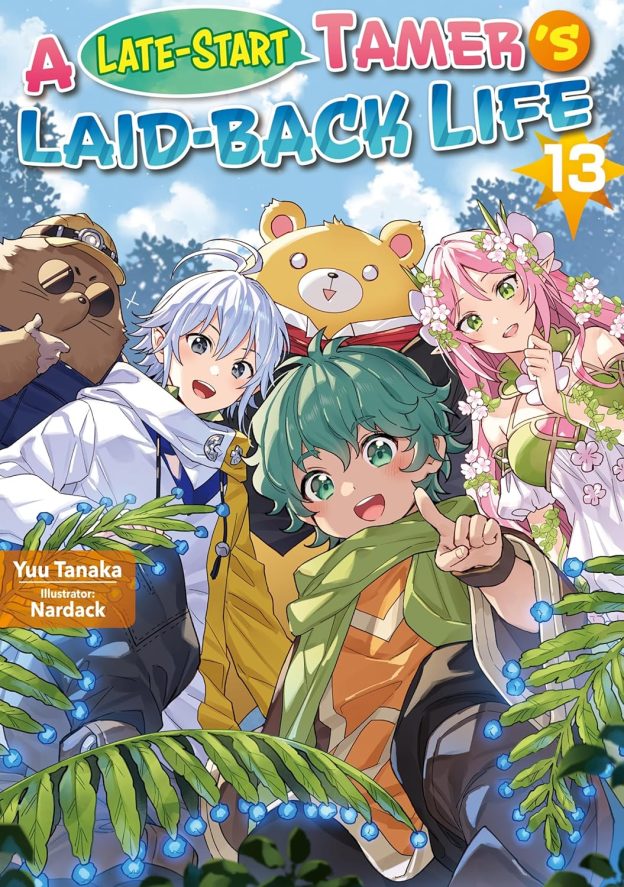
The Amazing Village Creator: Slow Living with the Village Building Cheat Skill (Bannō “Murazukuri” Cheat de Otegaru Slow Life: Mura desu ga Nani ka?) is… well, if you guess “shunned and disowned for bad skill, but it’s really a great skill!”, give yourself a cookie. Manga Up! has the manga. The Fearsome Witch Teaches in Another World: Pay Attention in Class! (Isekai Teni Shite Kyōshi ni Natta ga, Majo to Okorareteiru Ken ~Ōzoku mo Kizoku mo Kankei Nai kara Majime ni Jugyō o Kike~) has a teacher with regrets reincarnated into a fantasy world where she becomes a powerful sorcerer. Now she has to teach problem children. They also have the manga, which runs in Comic Earth Star Online.

Lastly, they have The Isle of Paramounts: Reborn Into a Slow Life Among the Strongest in the World (Tensei Shitara Saikyō Shu-tachi ga Sumau Shima Deshita. Kono Shima de Slow Life o Tanoshimimasu), a slow-life harem title about a guy who wants a quiet life on an island, but fins it overrun with powerhouses. We then got ads for the Blade & Bastard anime, the 100th Time’s the Charm anime, and a promise that the 3rd light novel contest is coming soon. And then I ran off, so I could eat a very late supper and type this up.
Tomorrow I only have one panel, so it will be much faster than this. What a stacked day.